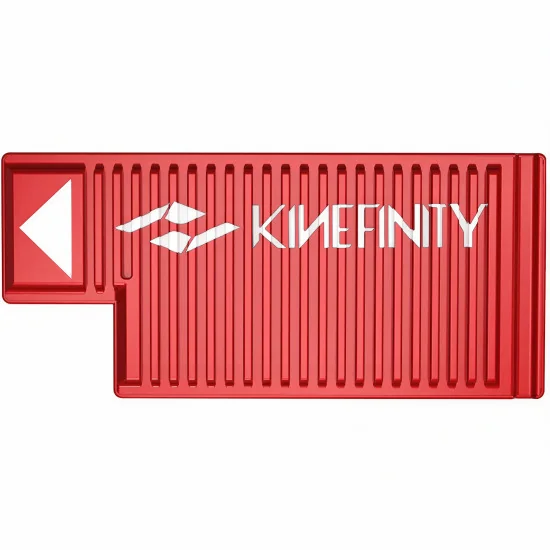
Angelbird AV PRO CFexpress SE Type B 512GB | Memory Card, Write 850MB/s
€329.00
The Angelbird AV PRO CFexpress SE Type B 512GB memory card is designed for professional video and photography needs, offering 512GB of storage...
Filter By
Brand
Brand
Price
Price
€329.00 - €2,190.00
Media type
Media type
Capacity
Capacity
Max writing speed
Max writing speed
Recording media for professional video and photography: CFexpress, SDXC V90 and compact SSD options selected for high bitrate codecs, burst shooting, secure capture and fast offload.
Active filters
Recording media is not a minor accessory in a professional camera package. It determines whether a body can hold its bitrate in long-form interviews, sustain RAW burst sequences, keep up with multi-cam event coverage, and move footage to post without wasting time on offload delays. In cinema, television and streaming environments, the key numbers are not only headline read speed, but also sustained write speed, media format, controller stability, thermal behavior and proven compatibility with the recorder or camera in use.
In this category, the practical split is clear: compact SSD solutions for external recorders, CFexpress cards for high-bandwidth internal capture, and SDXC cards where a camera or camcorder depends on the SD ecosystem. Products such as Angelbird AtomX SSDmini, AV PRO CFexpress cards and the OWC Atlas series illustrate three different recording strategies: external SSD capture for monitor-recorders, high-speed Type B or Type A media for hybrid and cinema bodies, and V90 SDXC for cameras that need stable sequential writing rather than the highest PCIe bandwidth.
For external recording, SSD drives remain a strong choice when the recorder supports direct SATA or USB-C media capture. They are especially useful for long interviews, studio shoots, conferences, podcasts with isolated video feeds, and extended ProRes or RAW sessions where card swaps interrupt production. The Angelbird AtomX SSDmini 1TB is a good example of a recorder-focused drive: a reduced physical size for Atomos devices, write speed around 520 MB/s and read speed up to 560 MB/s are enough for many mezzanine and acquisition codecs used in field production. That makes this format attractive for crews that value long takes, predictable media cost and quick handoff between set and edit suite.
SSD recording also matters when a camera supports direct external capture. Blackmagic’s Cinema Camera 6K, for example, records internally to CFexpress and externally through USB-C to flash media or SSD, which is relevant for productions balancing file size, shooting ratio and media rotation on set. For event production, interviews, documentary work and house-of-worship capture, that flexibility can simplify media planning: internal card for mobility, external SSD for longer continuous record windows.
CFexpress is the format professionals reach for when bitrate, buffer clearance and capture security matter more than purchase price per gigabyte. The standard is built around PCIe and NVMe, which is why it dominates in current mirrorless flagships, cinema cameras and high-speed stills bodies. Type B is common in cameras that record 6K, 8K, RAW and high-frame-rate codecs, while Type A is used in a smaller physical format, especially in selected Sony bodies. In practice, it is the media family for uninterrupted burst photography, high-data-rate intra codecs, RAW recording and projects where the camera must keep writing without hesitation.
Within AVGear’s offer, cards such as Angelbird AV PRO CFexpress SE Type B 512GB, Angelbird AV PRO CFexpress MK2 Type B 2TB, OWC Atlas Pro CFexpress Type A 960GB and OWC Atlas Ultra CFexpress Type B 2TB cover very different production needs. The SE model is suited to lighter entry points into CFexpress capture, while the MK2 and Atlas Ultra lines move into much heavier recording territory with stronger sustained behavior and far higher ceiling speeds. The OWC Atlas Ultra 2TB reaches up to 3000 MB/s write and 3650 MB/s read, while the Angelbird MK2 2TB reaches up to 1550 MB/s write and 1785 MB/s read. Those figures are relevant for crews shooting 8K RAW, fast burst photo sequences, wildlife, sport, commercial product motion, or multi-day location projects where fewer card changes reduce risk.
Just as important as the headline numbers is stable behavior across the whole card. Angelbird highlights Stable Stream for consistent low-latency write performance, while OWC adds Innergize support for health, performance and firmware management. For production companies, that matters in real use: fewer dropped frames, better confidence in long takes, clearer media rotation decisions, and more predictable service life in demanding camera fleets. Outside AVGear’s current category selection, brands such as Wise and Exascend also show how the wider pro market is pushing CFexpress toward higher sustained speeds, stronger thermal control and rugged housings for location-heavy work.
SDXC remains highly relevant because many professional camcorders, switchable mirrorless bodies, compact cinema tools, teleprompter cameras and backup record systems still rely on SD slots. The correct way to read this segment is not by capacity alone, but by bus generation and video speed class. UHS-II gives the second row of contacts needed for faster transfer, while the V90 marking indicates a minimum sustained write speed of 90 MB/s. For 4K All-I, 6K in selected cameras, high-bitrate acquisition, and burst-heavy still capture, that minimum floor is often more meaningful than a peak benchmark advertised on the package.
The OWC Atlas Ultra SDXC V90 UHS-II 512GB in AVGear’s range fits that professional brief well, with up to 250 MB/s write and 300 MB/s read. It is suitable for crews using mirrorless cameras for interviews, gimbal operation, education capture, live event backup recording and corporate video production where reliability and broad SD compatibility are more important than moving to CFexpress. The broader market represented by Wise and Exascend confirms the same pattern: V90 UHS-II media is still a practical and serious format for demanding SD-based acquisition.
Max writing speed is the figure most buyers search first, but on professional shoots it should never be read in isolation. Peak speed affects how quickly the card can accept bursts and how fast media offload can be, yet a long-form recording session is protected by sustained write behavior, controller efficiency and camera compatibility. That is why a 3000 MB/s headline on CFexpress Type B, 1700 MB/s on Type A, 1550 MB/s on a high-capacity Type B card, 850 MB/s on a lighter CFexpress option, 250 MB/s on SDXC V90, or 520 MB/s on an SSDmini all have value in different production contexts. The correct choice depends on codec family, frame rate, camera buffer depth, and whether the task is continuous record, sports bursts, live event capture, or external recorder acquisition.
A well-built recording media selection therefore gives the buyer more than storage. It provides recording confidence, fewer interruptions on set, faster turnaround to post, and better alignment between camera capability and real production pressure. For internal card recording, start with the codec and the minimum sustained write requirement. For long-form recorder capture, check SSD compatibility first. For SD-based cameras, prioritise UHS-II and V90 when bitrates rise. And when comparing brands, use the details that actually matter in production: certified standards, environmental resistance, sustained performance, reader ecosystem and known compatibility. In AVGear’s category, Angelbird and OWC cover those needs directly, while Wise and Exascend remain useful reference points for buyers comparing the broader professional media segment.
check_circle
check_circle