


BirdDog X1 30x – a new PTZ camera for live streaming.
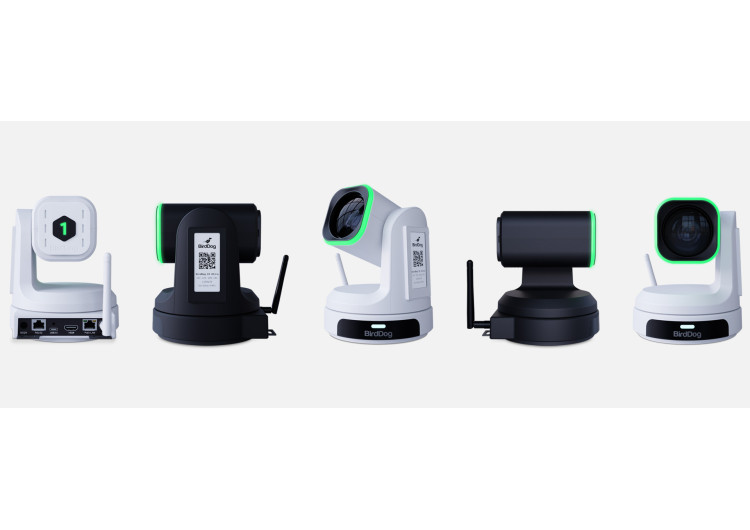
A practical look at BirdDog X1 30x and its long-reach PTZ workflow. Focus on real studio and streaming scenarios.
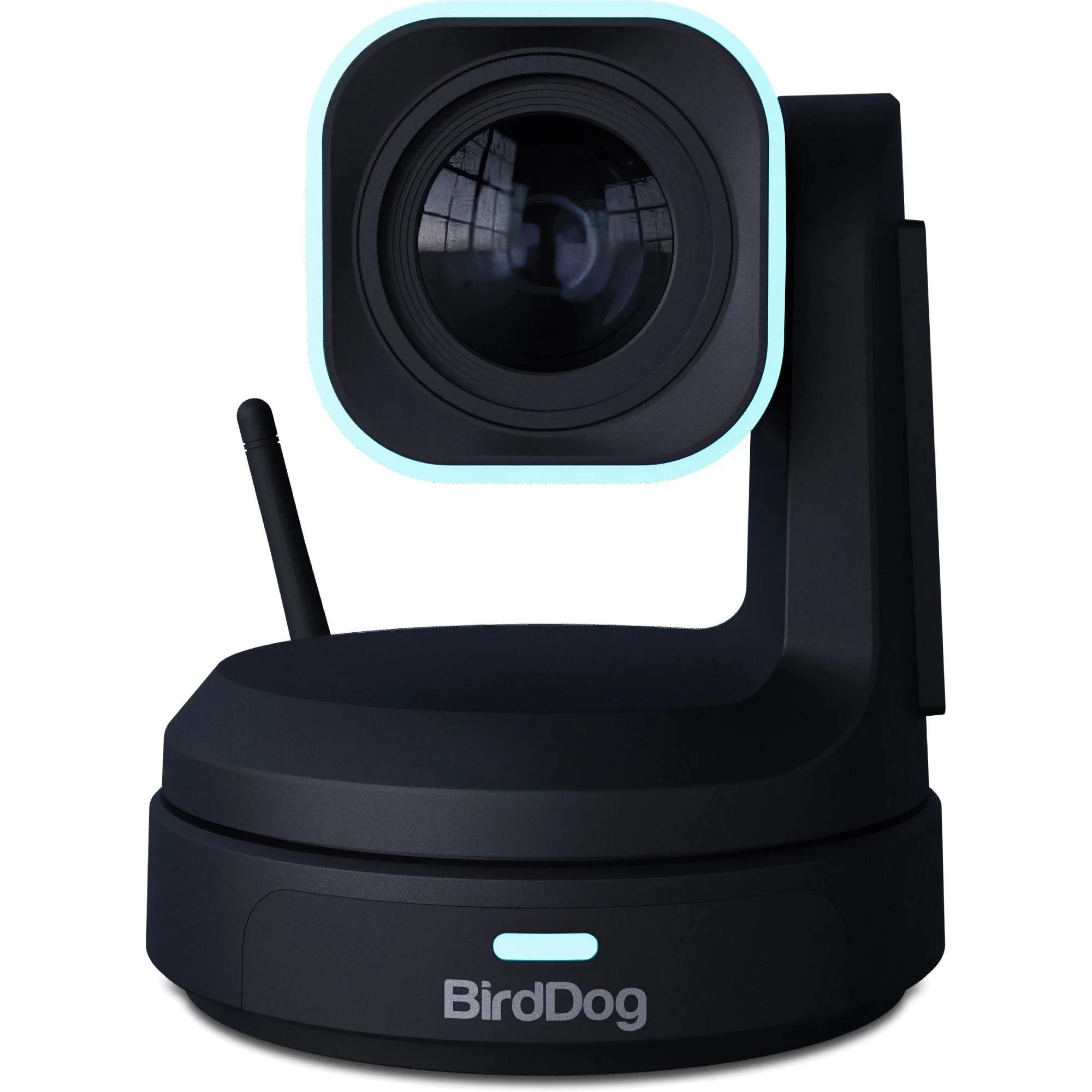
A compact solution with 30x zoom.
Live teams that run lean still require three things: long-reach optics, repeatable robotic movement, and a transport layer that behaves predictably under real network conditions. BirdDog X1 30x targets that operational triangle with a compact Full HD PTZ platform that couples 30x optical zoom with NDI|HX3 plus direct streaming protocols, while keeping local connectivity for HDMI and USB-C.
At the imaging core sits a Sony 1/2.8-type CMOS sensor (2.07 MP) delivering 1920×1080 up to 60 fps (including 50/59.94 variants) and 720p. The image chain covers practical production problems such as mixed lighting and high-contrast stages, with 2D/3D noise reduction and backlight compensation. The lens is the defining tool: 5.2–148.4 mm with f/1.3–4.8, moving from 58.1° wide to 2.14° tele. That span is the difference between an establishing master and a tight reaction shot from the rear of an auditorium without changing camera position or interrupting sightlines.
PTZ motion is tuned for cue accuracy rather than casual “camera move” aesthetics. Pan reaches ±175° and tilt covers -90° to +90°, with variable speeds up to 80°/s pan and 60°/s tilt. For shows built around repeatable blocking, up to 255 presets allow consistent framing across rehearsals, show days, and multi-day events. Power options support clean installs: PoE (IEEE 802.3af) or 12 VDC, with compact physical dimensions that suit wall mounts, truss clamps, and low-profile ceiling positions.
Examples of use
In a small broadcast studio, X1 30x can act as a robotic long lens: wide for an establishing master, then punch to a presenter’s close-up or a product demo insert, while the main operators stay focused on switching, comms, and audio. When the production language relies on fast alternation between wide and tight framing, presets plus high PTZ speed keep the cut cadence crisp without adding camera operators.
In corporate AV and hybrid meetings, the camera fits boardrooms and training spaces where stakeholders expect clean close-ups but IT expects an orderly network footprint. A single Ethernet run can carry control and IP video, while local HDMI remains available for conventional switchers and recorders. For lecture capture and houses of worship, reach plus repeatability matter: one camera can cover podium, choir area, and audience cutaways through stored presets, giving a broadcast-style rhythm even with volunteer operators.
For esports desks, sports commentary positions, and small arena productions, long-reach framing from FOH keeps positions flexible and reduces floor congestion. Operational features such as on-air indicators and clear camera identification help reduce mistakes in fast-turn environments where multiple PTZ units share similar mounting points.
Vertical 9:16 video for social media
Social-first deliverables are now standard in live production: a vertical clip stream for TikTok, Reels, or Shorts frequently runs in parallel with a 16:9 programme output. BirdDog X1 30x includes a native vertical mode at 608×1080 (9:16) up to 60 fps, enabling a vertical feed without forcing a downstream crop that breaks headroom or compromises composition. In practice, teams can build a vertical preset map—speaker medium, audience reaction, product unboxing table, backstage presenter—and recall those shots with the same PTZ logic used for the main programme feed.
For event agencies, this matters commercially: the vertical stream becomes a first-class output rather than an afterthought, reducing post-production rescue work and enabling sponsors to receive correctly framed vertical deliverables straight from the live pipeline.
Sony CMOS sensor
The Sony CMOS platform and processing target the lighting realities of conference stages: strong key light, LED walls, practical fixtures, and shadow pockets. A quoted >50 dB SNR with 2D/3D noise reduction defines how far gain can move before fine texture collapses into noise and compression artifacts. Backlight compensation becomes useful when talent stands in front of a bright screen or window, keeping face exposure usable while preserving enough background detail for context.
This combination supports predictable colour and tone in multi-camera workflows, where a PTZ often needs to match a main camera package under time pressure and without a dedicated shader per source.
Multiple streaming protocols, NDI HX3, RTMP, SRT
X1 30x is built for IP distribution with a pragmatic set of transports. On LAN, it supports NDI|HX3 (and HX2) using H.264/H.265, keeping bandwidth predictable on shared networks. HX3 is positioned for high perceived quality with very low latency, which is operationally relevant when switching in real time and when sync with audio and graphics matters.
For remote contribution and CDN ingest, the camera also supports RTMP and SRT alongside RTSP. RTMP remains a common ingest path for platforms and media servers, so the workflow can stay simple when needed. SRT adds packet recovery and encryption options for less predictable links, relevant when feeds traverse the public internet, venue Wi-Fi segments, or congested corporate WAN paths. This protocol set lets one camera serve two worlds: on-prem switching over NDI and resilient off-site contribution via SRT/RTMP for monitoring, backup, or distribution.
HDMI and USB-C video outputs
IP does not replace baseband in every venue. HDMI output supports conventional switchers, recorders, and monitor chains. In parallel, USB-C provides UVC 1.1, so the camera can appear as a plug-and-play source in conferencing clients and streaming software. That flexibility matters for teams that alternate between control-room workflows and laptop-based workflows: the same PTZ can feed a hardware vision mixer for a live show, then present as a USB camera for remote presenter sessions or quick capture tasks.
The integrated NDI return/decoder capability can also reduce cabling at podiums and stages. Instead of running an extra HDMI return line, a confidence monitor or teleprompter feed can travel over the network path, which is valuable where cable runs are expensive or restricted.
E-Ink screen
Large installations lose time on basic identification. The side e-Ink display shows the unit’s network address even when powered down, helping technicians audit, service, and document systems with less disruption. When a camera is swapped or a switch port changes, address visibility reduces configuration mismatch and shortens turnaround during show turnover.
AI Tracking
AI Tracking and face focus aim at a practical goal: keep a subject framed during real movement. In panel discussions, classroom lectures, and worship services, presenters drift, turn to screens, and move along stage lines. Tracking can hold a stable mid shot while operators focus on switching and audio. In a two-camera deployment, one X1 30x can be dedicated to tracking while a second unit runs locked-off or preset cuts, giving predictable coverage without adding headcount.
Operational integration is equally pragmatic: control options include VISCA-IP plus RS-232/RS-485 and NDI control, supporting existing PTZ panels and automation systems. A front Halo Tally communicates on-air status to talent, while rear illuminated numbering keeps camera IDs visible to crew in dark rooms. Colour matching across multiple units is supported via a colour matrix with independent saturation control across RGB and secondary channels, useful when cameras share a programme feed across rooms.
To source the camera referenced throughout this article, use the internal product link: BirdDog X1 30x Black PTZ Camera.
Comments
No comment at this time!
Leave your comment